Breakfast & Tiffin
Dosa Batter Recipe: Ratios, Fermentation and Troubleshooting
The rice to dal ratio, why fenugreek belongs in the soak, how long to ferment at your room temperature, and what to do when the batter refuses to rise.

Independent · Tested in a home kitchen
Aryaas is a kitchen notebook for the food of Tamil Nadu, Kerala, Karnataka and Andhra: fermented batters, tiffin breakfasts, sambar and rasam, coconut chutneys, filter coffee and the festival sadya. Long guides, real technique, no shortcuts we would not take ourselves.
Start here
Batter, sambar, chutney and coffee. Learn these and most of a South Indian breakfast menu is already within reach.
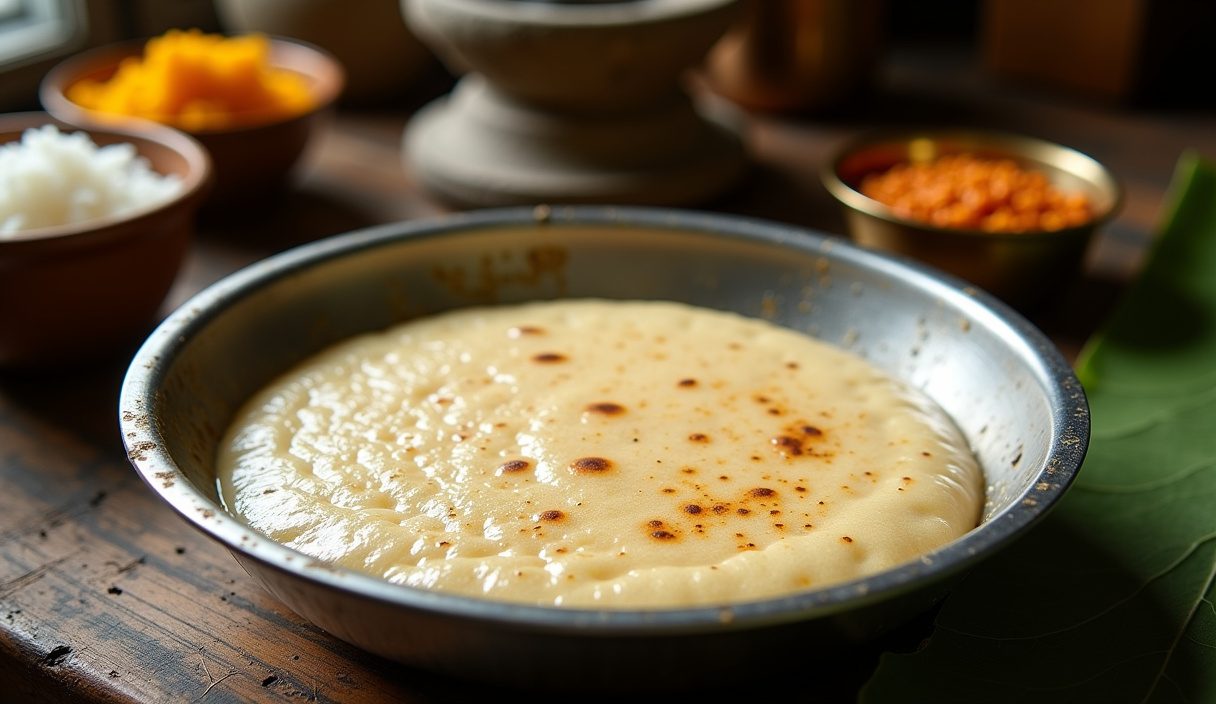
The rice to dal ratio, why fenugreek belongs in the soak, how long to ferment at your room temperature, and what to do when the batter refuses to rise.
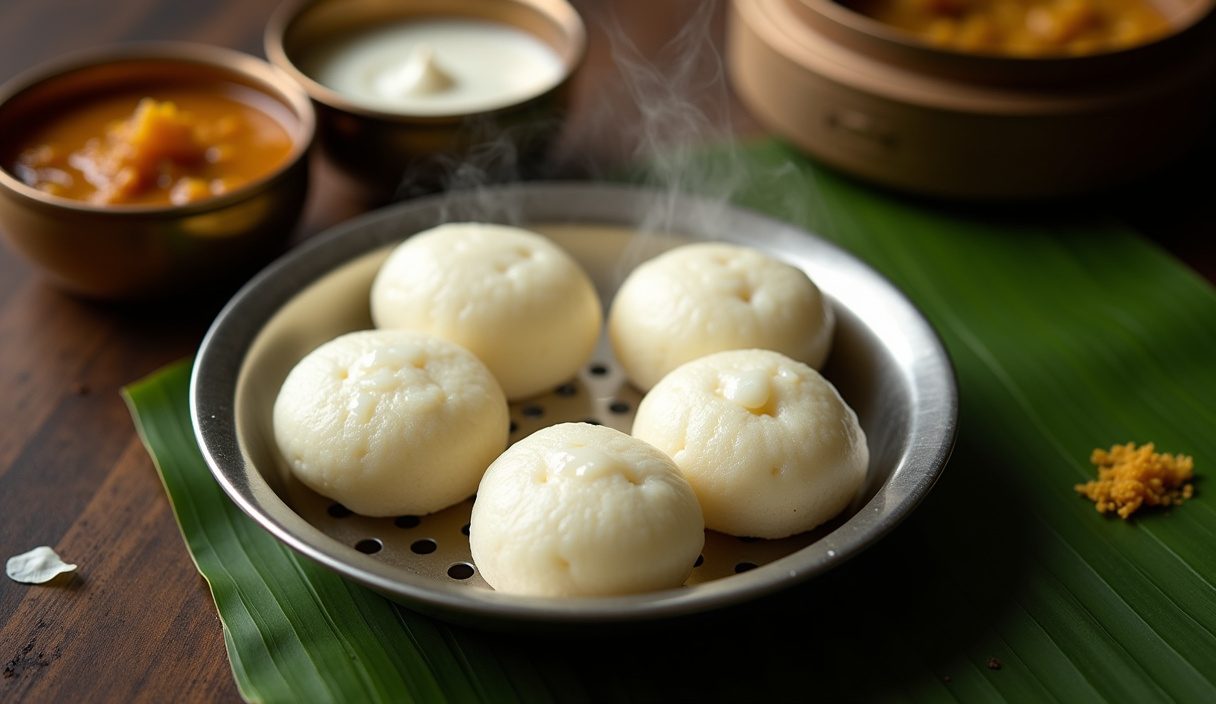
Why idli batter is ground differently from dosa batter, how long to steam, and the reasons idli comes out flat, dense, sticky or sour.
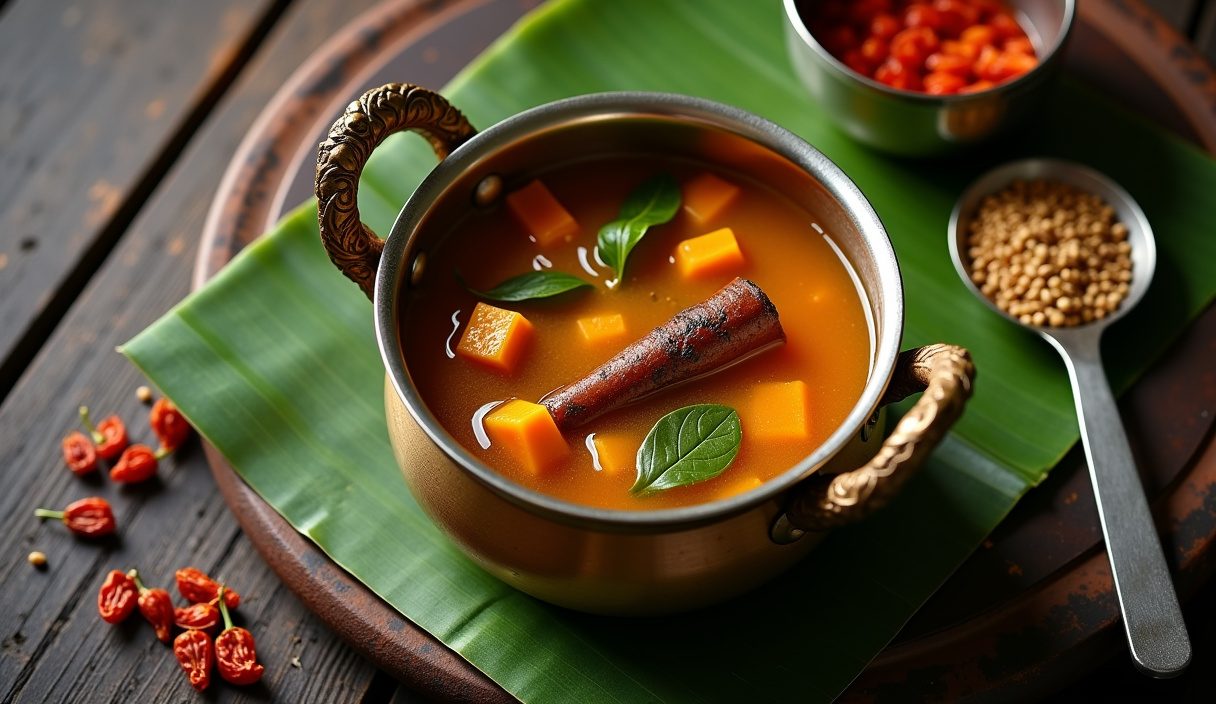
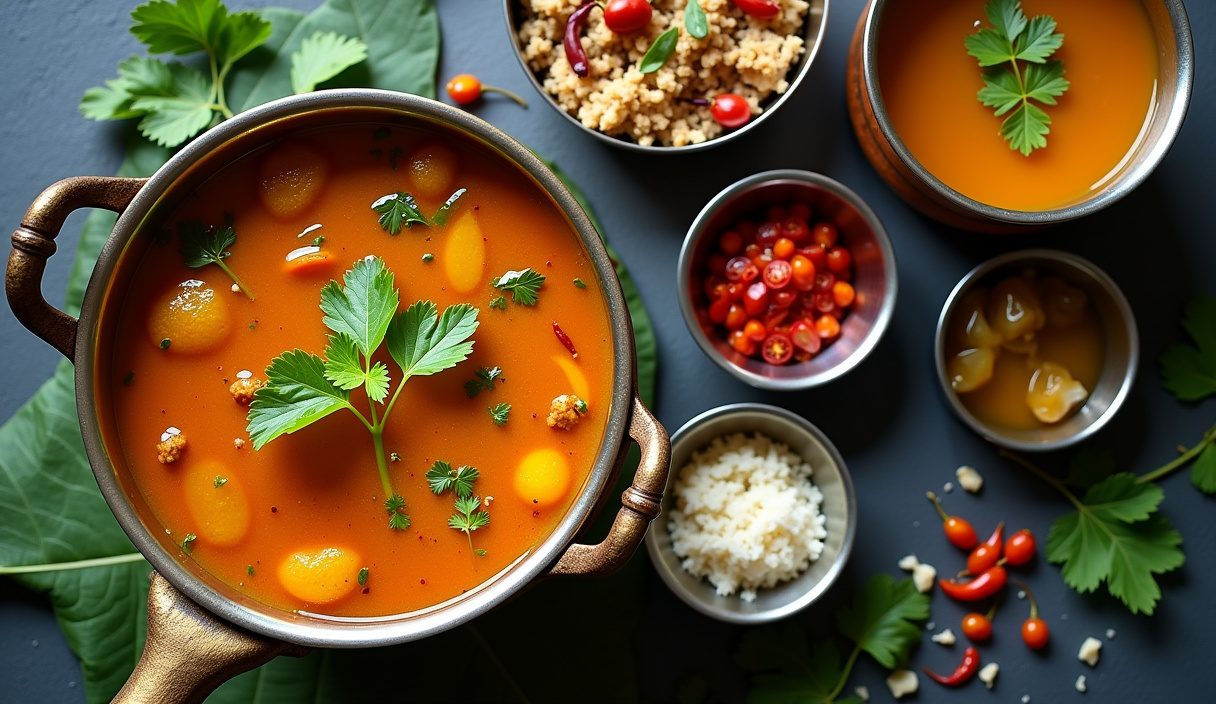
Which dal, how much tamarind, whether to roast your own powder, and the order vegetables go into the pot so nothing turns to mush.
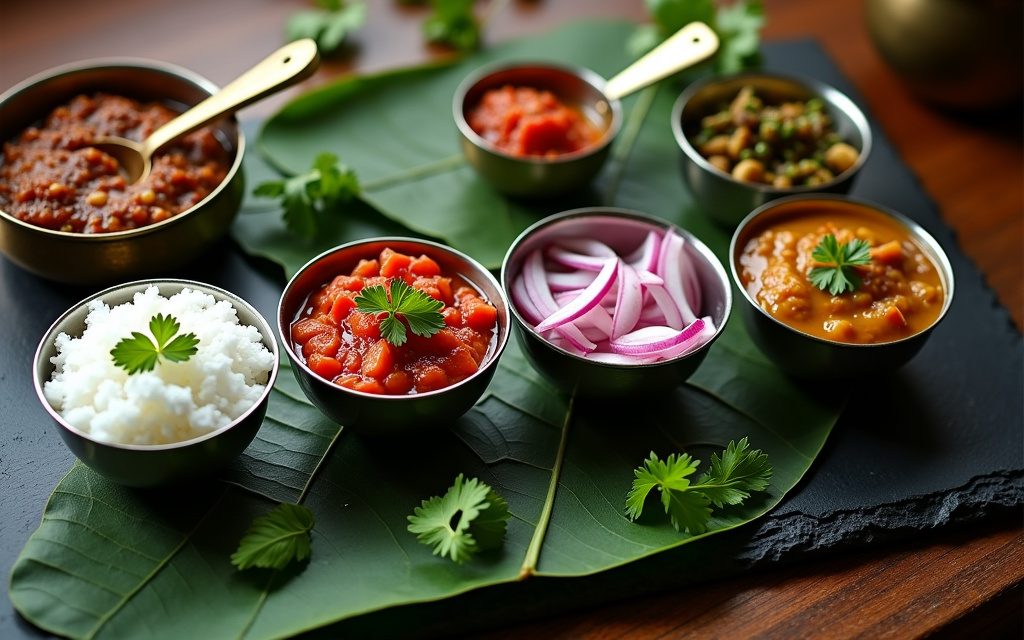
The white coconut chutney most people mean by the word, plus tomato, coriander, peanut and onion versions, and the tempering that finishes all of them.
Explore
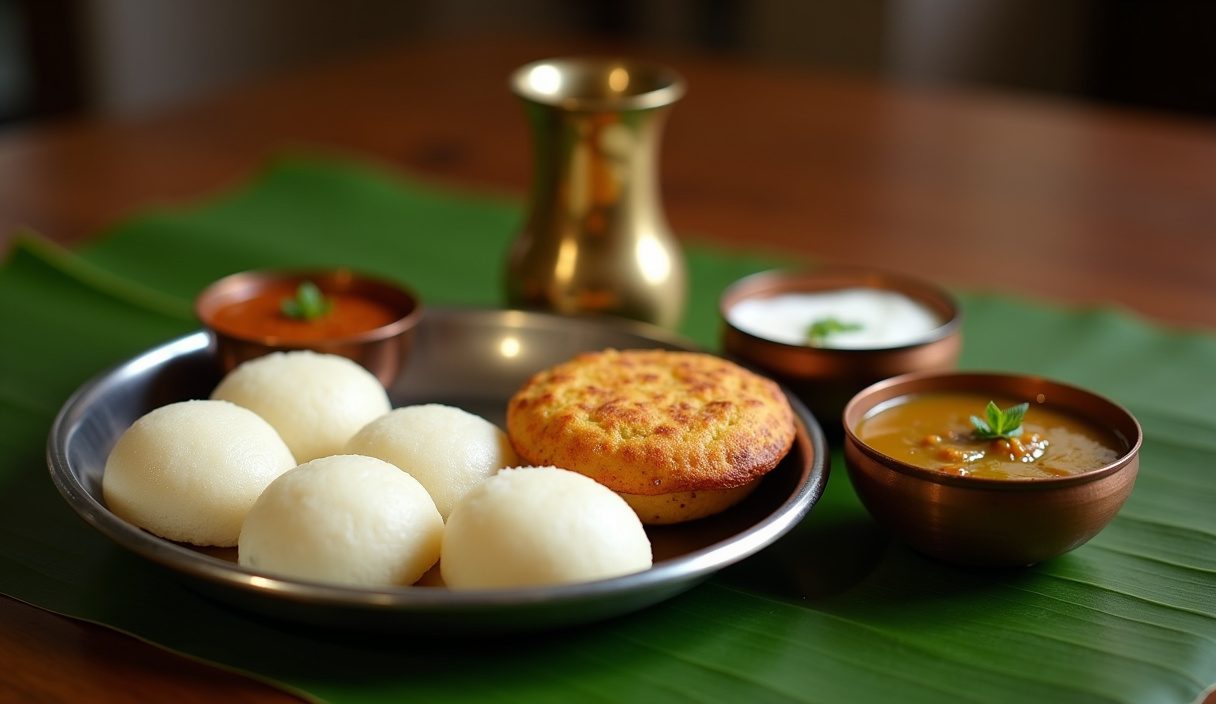
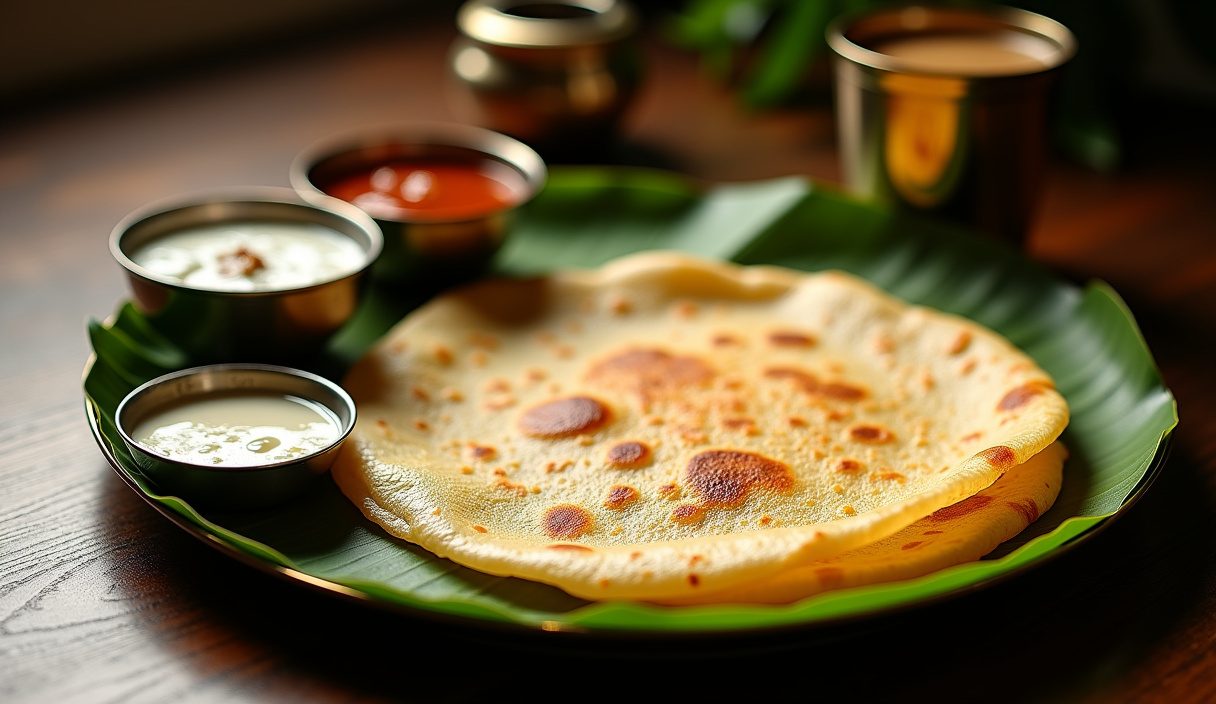
South Indian breakfast recipes explained step by step: dosa batter, soft idli, crisp medu vada and the filter coffee that belongs beside them.
Sambar and rasam recipes plus the chutneys and vegetable sides that complete a South Indian meal, with technique, spice ratios and troubleshooting.
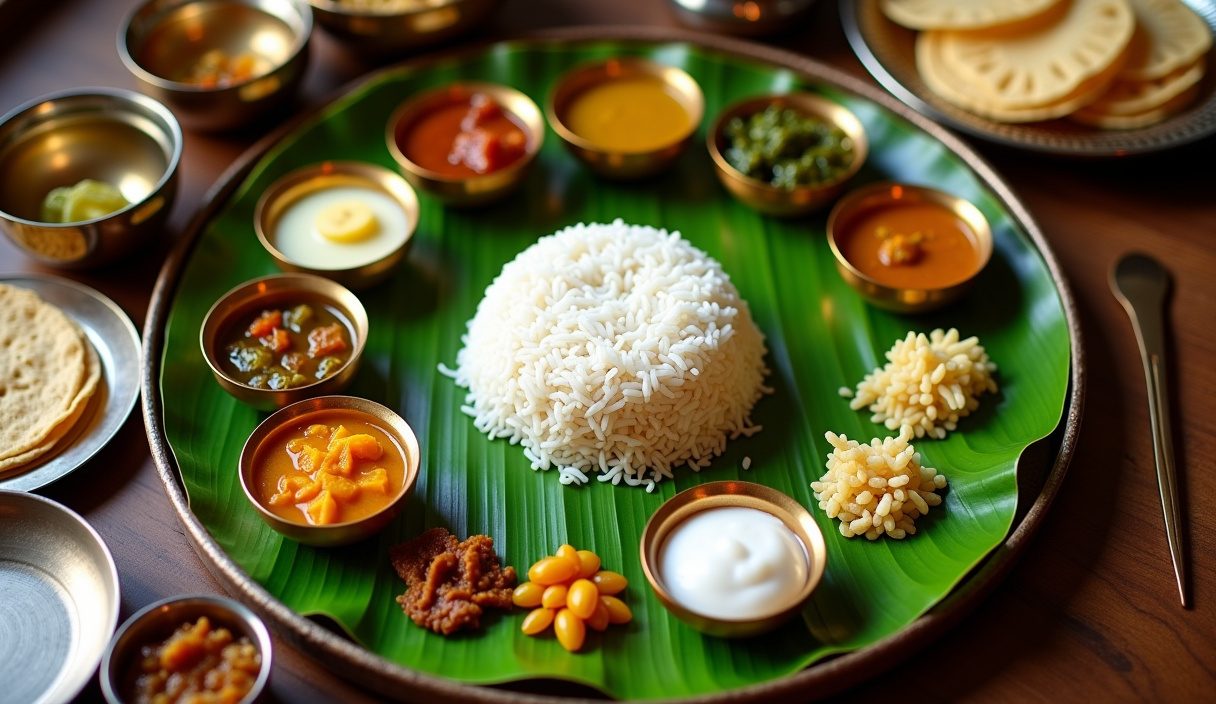
The Onam sadya explained dish by dish, plus how a South Indian thali is composed, what is served where on the leaf, and how to cook a festival menu at home.
Our approach
Most recipe sites give you a list of quantities and a photograph. That is fine when you already know the dish. It is close to useless when a batter refuses to rise, a rasam turns bitter, or an idli comes out dense as a coin. So we write the other way round: technique first, quantities second, and a troubleshooting section on every guide that names the specific thing that went wrong and how to fix it next time.
Every recipe here is cooked in an ordinary home kitchen before it is published, on a domestic gas hob and in a regular oven, not in a restaurant setup. Where a dish genuinely depends on equipment, such as a wet grinder for a smoother batter, we say so and give the mixer-grinder version too. Where a traditional step can be skipped without harming the result, we say that as well.
We are independent. We do not run a restaurant, take bookings, or sell ingredients, and no brand can pay to appear in a recipe. When a page carries clearly labelled advertising or an affiliate link, it is disclosed in our advertising and affiliate policies.
Why readers trust us
Every recipe is made in a home kitchen, at least twice, before it goes live. How we test.
We explain why a step exists, so you can adapt the dish to your own kitchen and climate.
We name which region a version comes from rather than flattening everything into one "South Indian" style.
Readers correct us regularly and we log the change with a date. See our fact-checking policy.
The people behind Aryaas
Lakshmi grew up in Madurai in a household where the wet grinder ran every second evening. She has spent fifteen years writing down, testing and re-testing the tiffin and sambar recipes she learned at home, and she develops and photographs most of the recipes on Aryaas.
Joseph writes about the regional differences that get flattened when South Indian food is treated as one cuisine. Raised in Kottayam, he covers Kerala cooking, festival menus and the history behind dishes, and he edits every guide before it is published.
Start with the ratio, the soak, the grind and the ferment. Get those four right and soft idli stops being luck.