Sambar & Sides
Sambar Recipe: Dal, Tamarind and the Order Vegetables Go In
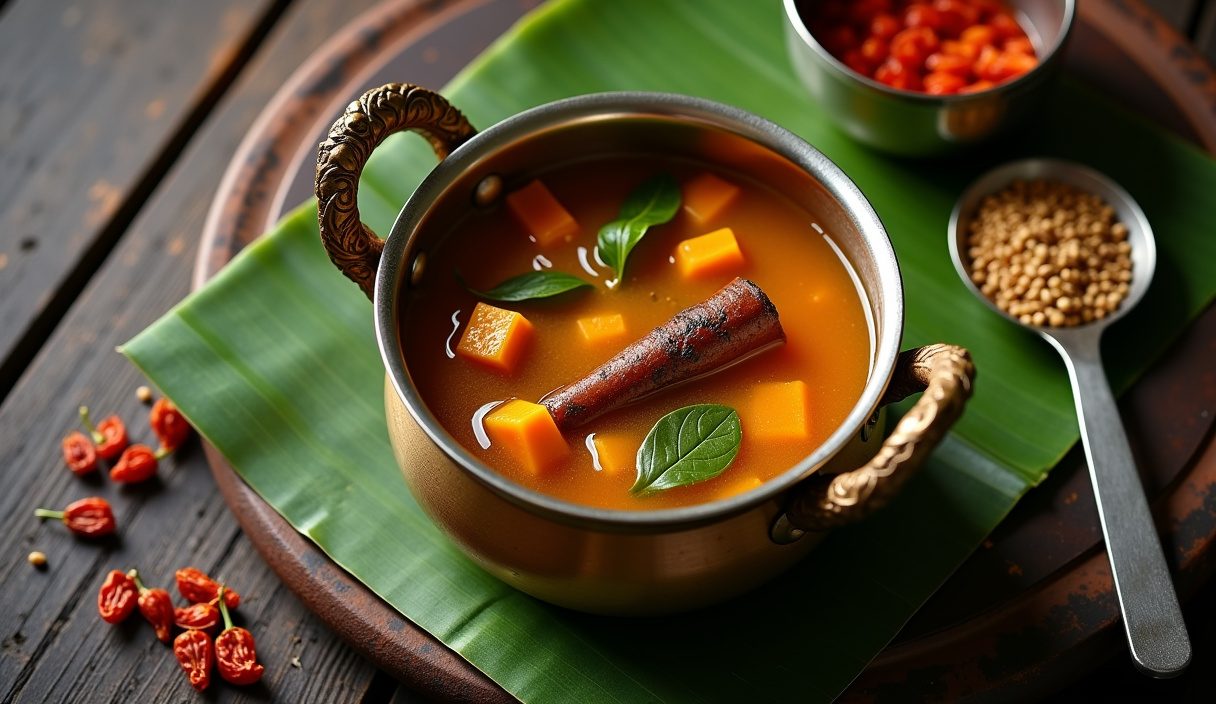
Which dal, how much tamarind, whether to roast your own powder, and the order vegetables go into the pot so nothing turns to mush.

The white coconut chutney most people mean by the word, plus tomato, coriander, peanut and onion versions, and the tempering that finishes all of them.
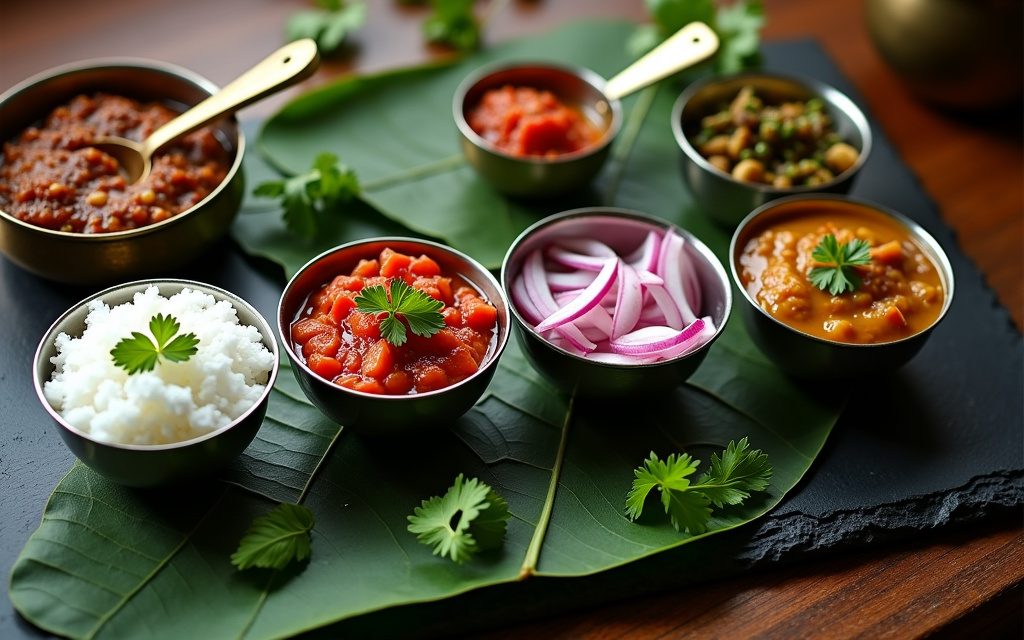
Chutney is the most practical thing in a South Indian kitchen. Sambar takes forty minutes; a chutney takes ten. And a plate of idli with a good coconut chutney is a complete, balanced breakfast in a way that idli with nothing is not. If you learn only one accompaniment, learn this one.
What follows is the white coconut chutney that most people mean when they say "chutney", then four others that use the same method with different main ingredients.
Grind everything with just enough water to move the blades, stopping while the chutney still has a very slight texture. A chutney ground to complete smoothness loses its character.
The roasted chana dal is the ingredient people skip and should not. It thickens the chutney, stops it separating into water and solids within the hour, and adds a faint nuttiness. Two tablespoons per cup of coconut is the ratio; more makes it pasty, less makes it watery.
A small piece of tamarind, or a teaspoon of lemon juice added after grinding, brightens it. Some households add a clove of garlic. Both are optional and both are good.
All five chutneys below get the same tempering, poured over at the end and stirred through just before serving:
Heat 1 tablespoon of sesame or coconut oil. Add 1/2 teaspoon mustard seeds and wait for them to pop fully — half-popped mustard tastes raw. Add 1/2 teaspoon split urad dal and let it turn light gold, which takes about twenty seconds and adds a lovely crunch. Then 1 dried red chilli broken in half, a sprig of curry leaves, and a pinch of asafoetida. The curry leaves should crackle for two seconds. Pour it over the chutney.
Do not stir the tempering in until you are ready to eat. It looks better sitting on top and the crunch survives longer.
Sauté 1 tablespoon oil, 1 chopped onion, 2 dried red chillies and 1 teaspoon chana dal until the onion softens. Add 3 chopped tomatoes and a small piece of tamarind; cook until the tomatoes collapse completely and the oil begins to separate at the edges, about ten minutes. Cool, then grind with salt and very little water.
The key is cooking the tomatoes far longer than feels necessary. A tomato chutney made from barely-cooked tomatoes tastes sharp and raw. You want them jammy.
Grind 2 packed cups of coriander leaves and tender stems with 1/2 cup grated coconut, 2 green chillies, 1 tablespoon roasted chana dal, a small piece of ginger, salt and a squeeze of lemon. Use cold water to grind; heat from the blades dulls the green colour.
Include the stems. They carry more flavour than the leaves and they blend fine. Discard only the thick lower stalks.
Dry-roast 3/4 cup raw peanuts until the skins blister and loosen, then rub off most of the skins. Grind with 2 dried red chillies, a small piece of tamarind, 1 clove garlic, salt and water. No coconut needed, though a couple of tablespoons rounds it out.
This is the chutney to make when you have no coconut. It is thicker and richer than the others and goes particularly well with dosa.
Sauté 2 sliced onions (shallots are better if you have them) in 2 tablespoons sesame oil with 4 dried red chillies and 1 teaspoon urad dal, slowly, until the onions are genuinely brown and sweet — twelve to fifteen minutes, not five. Add tamarind and salt, cool, grind coarse.
The browning is the whole dish. Rushed onions give a harsh, sharp chutney; patiently browned ones give something deep and almost sweet.
One day refrigerated, and it is much better on the day it is made. Fresh coconut sours quickly. Tomato, peanut and onion chutneys keep three to four days because they are cooked. Coriander chutney keeps two days but loses its colour.
Not enough roasted chana dal, or too much water when grinding. Grind in a fresh tablespoon of roasted chana dal to bind it, or a tablespoon of thick curd.
Grind in more coconut, or a tablespoon of roasted chana dal, or a spoon of thick curd. Adding water alone dilutes the flavour without doing much about the heat.
At a push. Soak it in warm water or warm milk for fifteen minutes first, and accept that the result will be drier and less sweet than fresh. Frozen grated coconut, thawed, is much closer to fresh and is worth keeping in the freezer.
Which dal, how much tamarind, whether to roast your own powder, and the order vegetables go into the pot so nothing turns to mush.
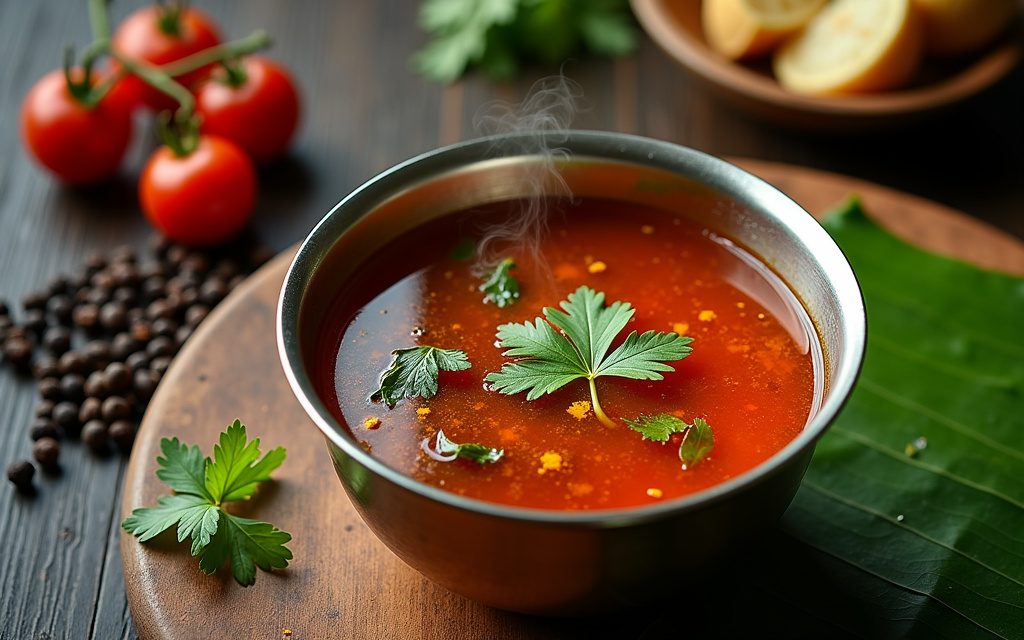
Rasam is thin, sour and peppery, and it is ruined by the thing most cooks do to it: boiling. Here is the froth rule and the versions worth knowing.
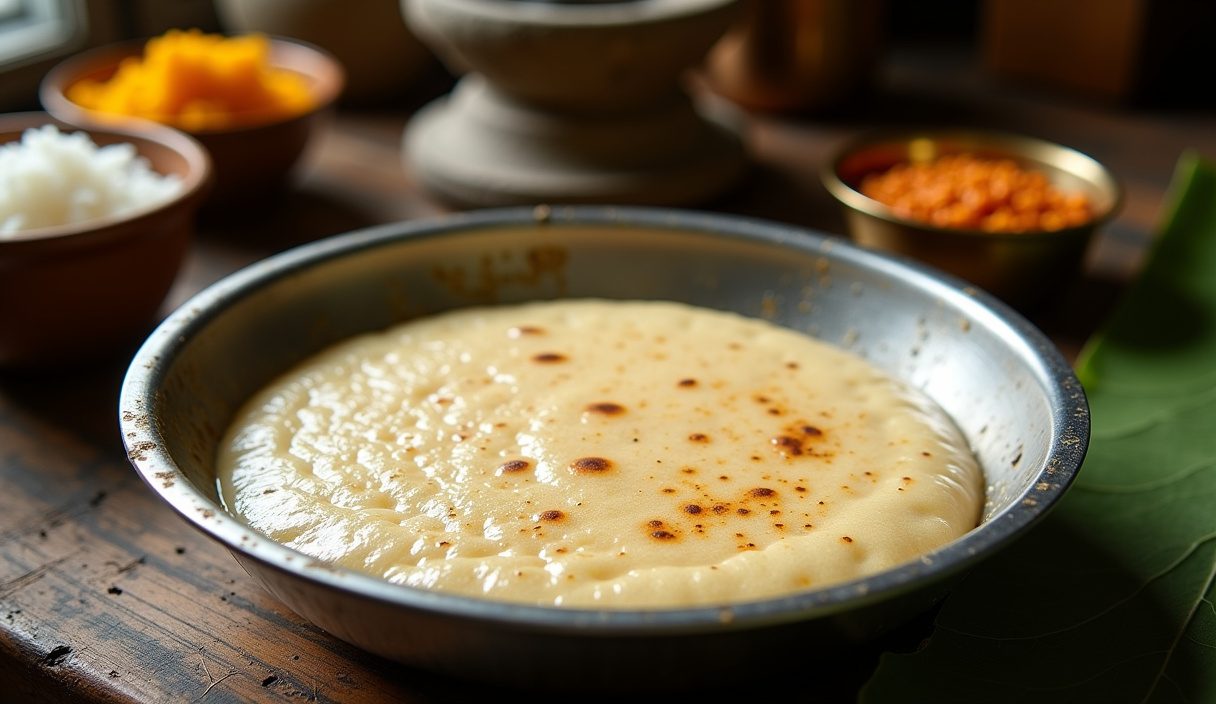
The rice to dal ratio, why fenugreek belongs in the soak, how long to ferment at your room temperature, and what to do when the batter refuses to rise.