Breakfast & Tiffin
Dosa Batter Recipe: Ratios, Fermentation and Troubleshooting
The rice to dal ratio, why fenugreek belongs in the soak, how long to ferment at your room temperature, and what to do when the batter refuses to rise.

Recipes
South Indian breakfast recipes explained step by step: dosa batter, soft idli, crisp medu vada and the filter coffee that belongs beside them.
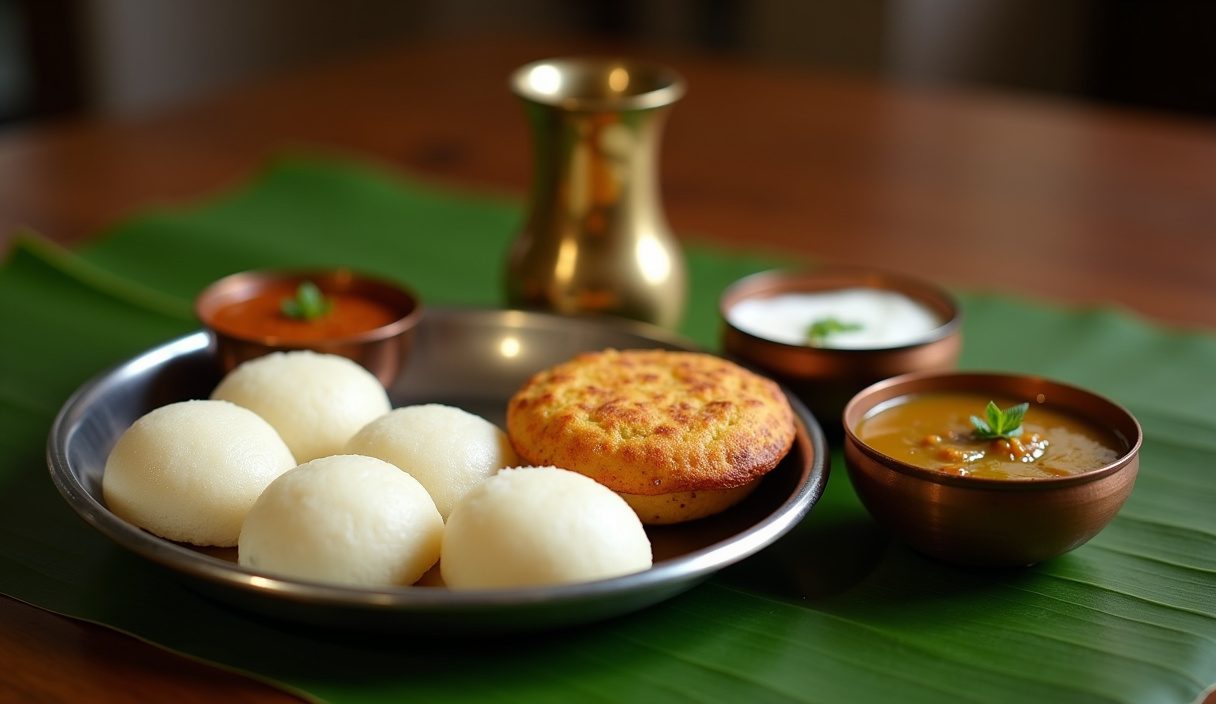
Tiffin is the word South Indian households use for the light, savoury meals eaten at breakfast and again in the early evening. It is a category built almost entirely on one skill: fermented batter. Rice and urad dal, soaked, ground and left overnight, become idli if steamed, dosa if spread thin on a hot griddle, uttapam if poured thick with onion pressed into the surface, and paniyaram if dropped into a dimpled pan. Learn the batter and you have learned four dishes.
The guides in this section are led by Lakshmi Venkatesan, who grew up with a wet grinder running in the kitchen every other evening. She explains the ratios, the soak times, the grind texture and, most usefully, what a batter looks and smells like at each stage so you can judge yours by eye rather than by clock.
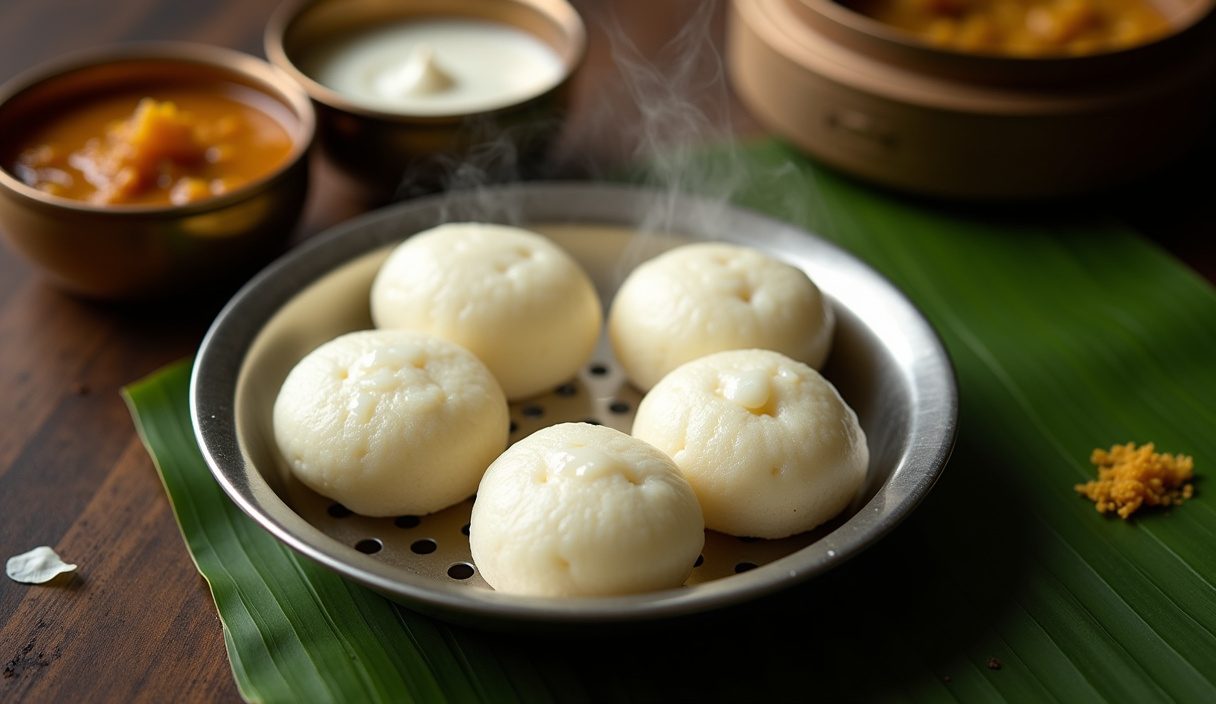
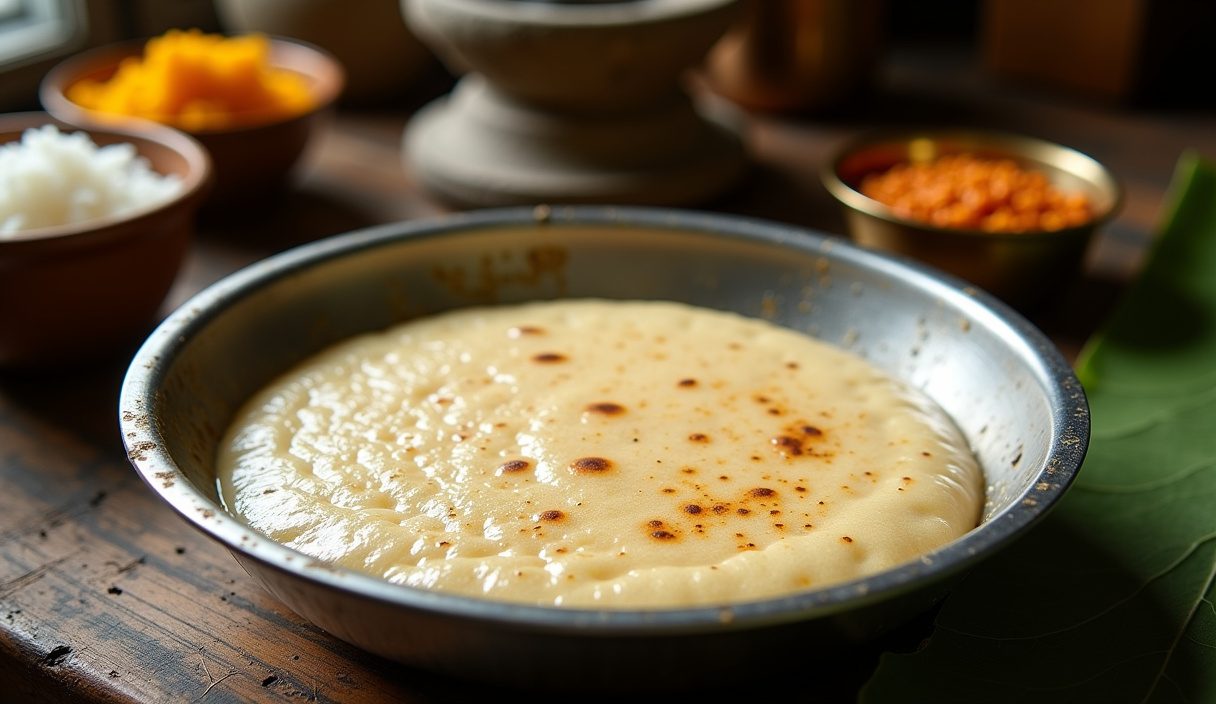
Start with the dosa batter guide, which covers the rice-to-dal ratio, why fenugreek matters, how long to ferment at different room temperatures, and how to rescue a batter that has not risen. The idli guide then shows how the same principle is tuned differently, with a coarser grind and a wetter batter, to give a soft steamed cake rather than a crisp crepe.
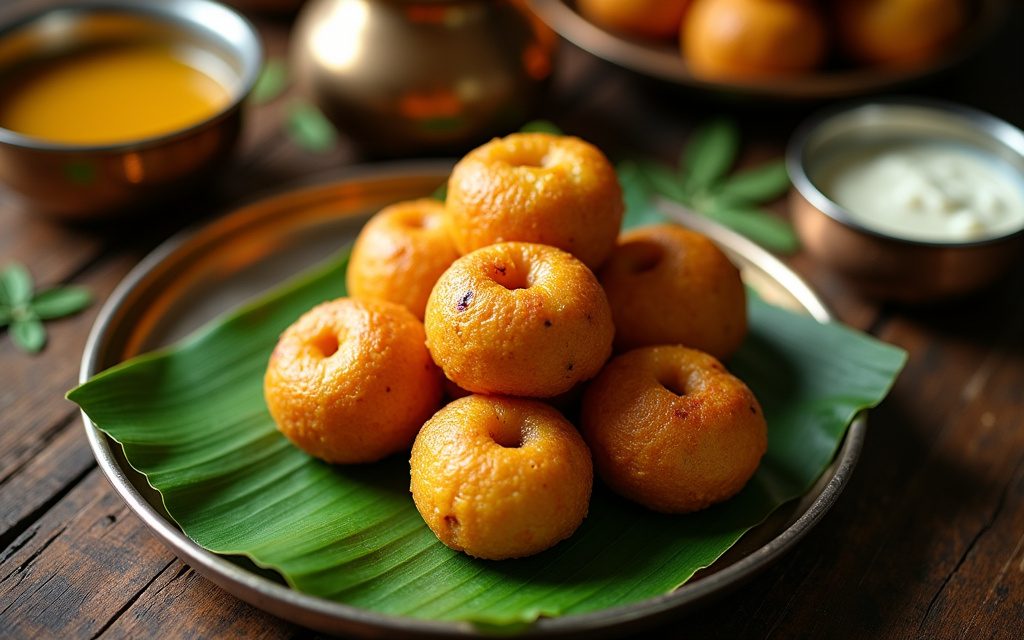
Our medu vada guide steps away from fermentation entirely: here the urad dal is ground thick and aerated, not left to sour, and the challenge is shaping and frying rather than waiting. Finally, the filter coffee guide covers the decoction, the chicory question, and the pouring that gives the drink its foam.
Fermentation is the one part of this cuisine that refuses to travel unchanged. A batter that rises in eight hours in Chennai may need sixteen in a cold flat in northern Europe, and it may over-ferment in four in a Gulf summer. Every batter guide here gives temperature-based timing rather than a single number, along with the workarounds cooks actually use: a warm oven with the light on, a folded blanket, or a longer soak with slightly warmer water.
The rice to dal ratio, why fenugreek belongs in the soak, how long to ferment at your room temperature, and what to do when the batter refuses to rise.
Why idli batter is ground differently from dosa batter, how long to steam, and the reasons idli comes out flat, dense, sticky or sour.
No fermentation here, just a thick aerated urad dal batter, a wet palm and oil at the right temperature. The shaping is the part that takes practice.
The grind, the chicory question, how tightly to pack the filter, and the long pour between tumbler and davara that gives the coffee its foam.